For much of Japanese history, the chicken egg occupied a moral gray area.
Chickens arrived in Japan more than 2,000 years ago but, for centuries, their chief professional duty was not culinary. They were kept as living alarm clocks bundled with mystical power, timepieces whose dawn crowing was considered more useful than their potential as omelets.
Buddhist teachings discouraging the killing of animals also cast a long shadow over egg eating. The logic was simple: if one was meant to refrain from dispatching the chicken, one ought to be somewhat cautious about tampering with its reproductive output as well.
And so, chickens were not widely reared for their eggs.
Then came the Edo period and, with it, a PR reversal. By the 17th century, Japan’s food culture had grown richer, partly because of the arrival of Portuguese traders, and a new interpretation began to circulate: eating an egg, unlike eating the chicken itself, did not actually require killing anything.
This theological loophole was greeted with enthusiasm, as can be seen in cookbooks such as Manpo Ryori Himitsu-bako, a 1785 work which catalogued more than a hundred egg dishes including early versions of the rectangular omelette that would become a fixture of Japanese cuisine.
From there, the egg’s rise was steady and unstoppable. In the 20th century, poultry farming expanded and egg evangelists such as journalist Kishida Ginko helped normalize such now-unremarkable habits as cracking a raw egg over rice and calling it breakfast.
By the 1950s, eggs had become affordable enough to enter ordinary households across Japan: the long journey from edible non-food to daily necessity was complete.
Tamagoyaki: The Japanese Omelette
Anyone exploring Japanese cuisine will likely soon encounter tamagoyaki: an omelet made by cooking seasoned egg mixture in a rectangular pan and rolling it into a log one thin layer at a time.
The result is a dense, slightly springy block with a soft interior and golden exterior, sliced into sections that reveal a cross-section of compressed egg layers.

This is what sets tamagoyaki apart from other omelets. Each layer of egg is poured into the pan and rolled towards you while the previous one is still semi-set, then pushed to the far side of the pan so that fresh egg flows underneath the existing roll, binding with it as it cooks. This is done three or four times.
The finished tamagoyaki is the sum of those layers, each one contributing to a texture that's firm yet yielding.
The rectangular pan known as a tamagoyaki-ki exists specifically for this purpose; a round pan produces a roll you cannot square. In professional kitchens, a copper pan is common - its even heat distribution prevents hot spots that would scorch the seasoning before the egg has a chance to cook through. At home, a good nonstick pan in the same rectangular shape does the job.
Sweet or Savory? The Dashimaki Tamago Argument
But it's not all sweetness and light, fluffy omelet. Japan is split on the issue of flavoring and this disagreement maps almost precisely onto the Kanto-Kansai divide that runs through so much of Japanese food.
In Tokyo and the surrounding Kanto region, tamagoyaki leans sweet. Soy sauce, mirin - a sweet rice wine - and sugar go into the egg mixture, producing a deeply seasoned, amber-edged omelette with a caramelized finish. This is the tamagoyaki most associated with bento boxes and the one that many children in Japan grow up eating. The Kanto-style pan is square, which suits the thick, compact roll this version produces.
Kansai, the western region which includes Osaka and Kyoto, knows tamagoyaki by a different name because it feels almost like a different dish. The Kansai version, called dashimaki tamago, builds its flavor on dashi, the stock drawn from kombu seaweed and dried bonito flakes. Sugar is mostly absent. Light soy sauce and mirin season the mixture gently and the result has a subtle umami that the Tokyo version lacks.
Dashimaki tamago stays paler and trembles on the chopsticks like set custard. A Kansai-style tamagoyaki pan is elongated and rectangular, which makes it easier to roll delicate, dashi-soaked omelets.
Each version reflects something about its region and the flavors traditionally preferred there: Kanto, bold and direct, Kansai, restrained and layered.
Try both - and join the debate.
Gyoku: Sushi Chefs Feel the Heat
Tamagoyaki appears throughout Japanese food culture: in bentos as a lunchbox staple, on izakaya menus as a dependable side dish and alongside raw fish in sushi restaurants, where it serves as both palate cleanser and sweet finish to the meal.
By entering one of Japanese cuisine’s most exacting arenas, tamagoyaki also became a test of skill, a dish where technique, timing and judgment were all laid bare.
In sushi bar terminology, tamagoyaki sometimes goes by a different name: gyoku, or jewel.

Gyoku has appeared on sushi menus from the earliest days of Edomae - literally 'in front of Edo' - nigiri, which emerged in the 1820s in Tokyo, or Edo as it was then known.
The traditional Edomae gyoku was made from a mixture of ground white fish or shrimp combined with grated yam and sugar, then cooked slowly until the egg set into something spongy and almost cake-like.
The preparation was labour-intensive and required years of practice to execute without burning; connoisseurs might order gyoku first as a way of reading the kitchen before committing to anything else.
That version of gyoku became rarer after the 1950s, when the stable postwar supply of eggs and sugar made it easier to make a sweet omelette. Sushi restaurants today might purchase pre-made tamagoyaki from specialist suppliers rather than making their own. The test, in most places, has been retired.
But the tradition still survives in restaurants that take the whole exercise seriously - and in the belief that a chef's omelet, even now, tells you something the fish cannot.
Onsen Tamago: The Egg That Does Things Backward
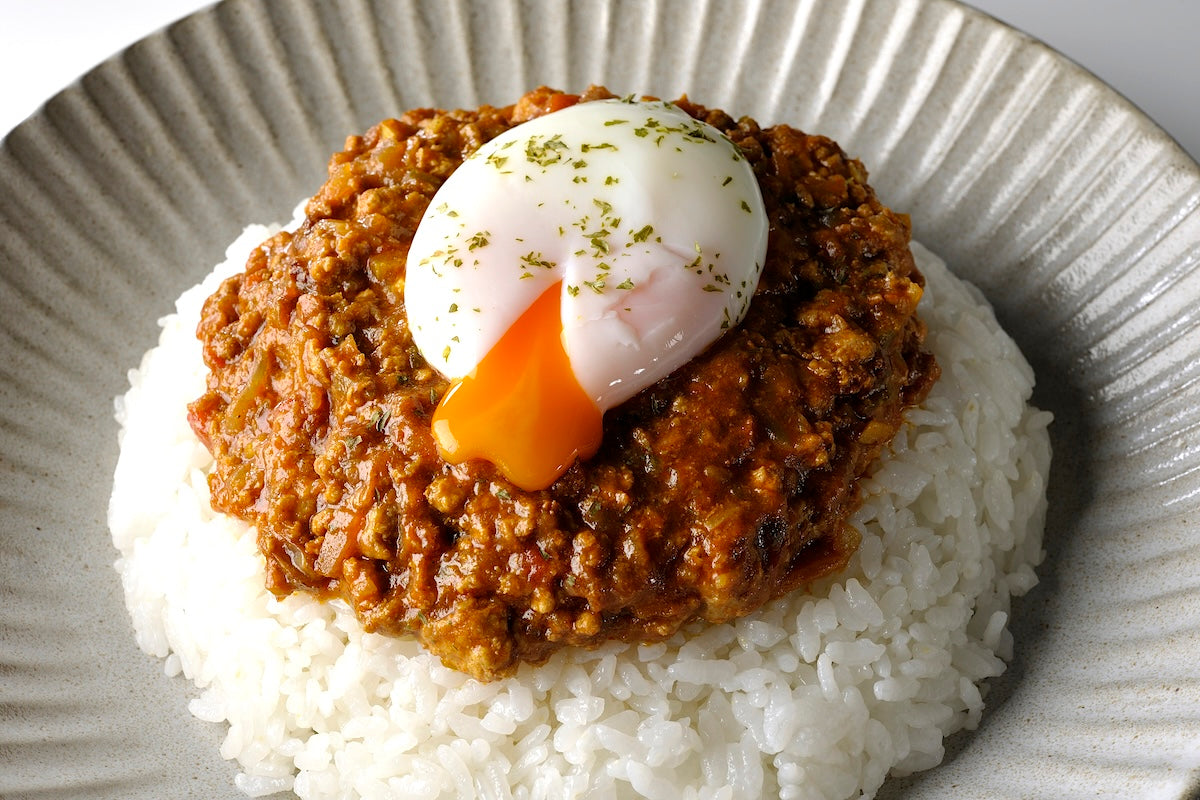
A soft boiled egg sets the white first and leaves the yolk runny. Onsen tamago - hot spring egg - does the opposite. The yolk firms to a creamy, fudgy consistency while the white barely thickens, remaining almost loose enough to pour.
The science behind it is straightforward: egg yolk begins to coagulate at around 65 deg Celsius and is fully set by 70 deg Celsius. Egg white, despite appearing more delicate, requires closer to 75-80 deg Celsius to fully solidify.
Hold eggs at 65-68 deg Celsius for roughly 30 minutes and the yolk sets while the white stays soft. This is the temperature range of many Japanese hot springs, or onsen, and eggs are still cooked slowly in them to produce onsen tamago - hot spring egg.

At an onsen resort, these eggs are served at breakfast with dashi soy sauce. But they also appear in ramen and as toppings for rice bowls and Japanese dishes of all kinds - anywhere that the yolk can mingle and enrich broths and sauces.
To make onsen tamago at home without a thermometer: boil one litre of water, remove from heat and add 200ml of cold water to bring the temperature down to the 65-70 deg Celsius range. Lower refrigerator-cold eggs in gently, cover and leave for 20-25 minutes. Chill briefly in cold water before serving.
Tamago Kake Gohan and the Safety Net Behind It
For most of the world, eating a raw egg over rice is a gesture of culinary daring at best and a food safety incident at worst. In Japan, it's just breakfast.
Tamago kake gohan - abbreviated to TKG - is exactly what it sounds like: a raw egg cracked over hot rice, stirred with soy sauce, eaten immediately. The rice warms the egg without cooking it; the yolk provides a velvety coating that turns plain rice into something considerably more than the sum of its parts. The sodium and umami in the soy sauce pulls everything together. It takes about 90 seconds to prepare and is considered, without irony, one of the great Japanese comfort dishes.
The first documented record of someone eating TKG dates to 1877, when journalist and entrepreneur Kishida Ginko wrote about his version, which he called keiran-ae and ate for breakfast regularly.
The dish spread but became a household staple only after postwar agricultural reforms brought egg prices down to the point where one egg per person per meal was no longer a luxury.
What makes this dish possible at scale is also the food safety infrastructure. In Japan, all commercial eggs pass through grading and packing facilities where they are washed, sanitised, graded and packed.
The Ministry of Health, Labor and Welfare's hygiene management standards govern the entire process. The result is a salmonella contamination rate for commercial eggs estimated at approximately 0.0027% - exceptionally low by any measure. Best-before dates on Japanese eggs are set specifically for raw consumption; the date on the carton is not a suggestion but a certification.
How to Make Tamagoyaki at Home
Tamagoyaki is often described as simple to make. This is technically accurate in the way that parallel parking is technically straightforward once you know what you're doing.
Start by cracking three eggs into a small bowl. Use chopsticks to mix them - not by whisking vigorously but by cutting through the whites in a back-and-forth motion. The goal is a well-combined, smooth egg mixture without bubbles or foam. Bubbles mean air; air means holes in the surface of each layer.
Add your seasoning at this stage: for the Kanto sweet version, a tablespoon of soy sauce, a tablespoon of mirin and a teaspoon of sugar, stirred through until the sugar dissolves. For the savory dashimaki style, replace the sugar with three tablespoons of dashi and reduce the soy sauce to a small splash.
Heat your pan - a square pan if you want the compact Kanto form, a longer one for a more Kansai-style roll - over medium heat. Dip a folded paper towel in oil and grease the pan thoroughly, including the sides. This is not optional. You will need to grease the pan again before every layer of egg.
Pour roughly a third of the egg mixture into the pan and tilt it so the egg spreads to the edges. Use chopsticks to pop any bubbles that form on the surface. Cook until the first layer is mostly set but still soft and slightly wet on top - this is the moment most beginners hesitate at, because it feels too soon. Roll the egg from the far end of the pan toward you, pressing gently after each turn to close any air pockets.

Push the finished roll to the far end of the pan. Re-grease the empty portion. Pour another third of the egg mixture in, tilting the pan and lifting the end of the roll slightly so that the fresh egg flows underneath it. Let this layer cook to the same semi-set state, then roll the existing log over it and push it back to the far end again. Repeat with the final third.
When the finished tamagoyaki comes out of the pan, shape it immediately while still hot - press it gently inside a bamboo sushi mat or wrap it in plastic wrap to create a clean rectangular form. Leave it to rest for three to five minutes.
Slice the tamagoyaki into rounds roughly 2 cm thick and serve on a small serving plate with a mound of grated daikon radish on the side.
A few notes to address common mistakes: if the egg scorches before it sets, the heat was too high - a particular risk with sweet tamagoyaki, since the sugar in the mixture chars quickly. If the layers separate when sliced, the roll was not pressed firmly enough between additions. If the surface looks rough and pitted, there were bubbles in the egg mixture that were not popped before rolling.
None of these produce an inedible result. They're fine - as long they don't have to take the gyoku test.
Cracking The Egg Problem
It's one of the more remarkable turnarounds in culinary history: from sacred alarm system to indispensable pantry staple.
Japan avoided the egg for centuries, then spent the better part of 300 years learning how to master its preparation.
The tamagoyaki in a bento box, the gyoku on the sushi counter, the onsen tamago trembling in its bowl, the raw egg stirred into rice at seven in the morning - these are all answers to that most delicious question, how do you like your eggs?