The journey of a thousand miles begins with a single meal: breakfast.
In Kyoto, breakfast comes in these broad groups:
- Traditional Japanese breakfast - rice, miso soup, grilled fish, tofu, pickles and other side dishes.
- Kissaten - coffee shops offering morning sets that typically comprise toast, an egg and salad. The retro atmosphere of these cafés is another draw.
- Bakery cafés - because Kyoto is a city that loves its bread.
Below is a guide anchored around breakfast places either near Kyoto Station, the main gateway to the city, or in the downtown area.
Recommended Japanese breakfasts in Kyoto
If you’ve stayed in a ryokan, you already know the classic Japanese breakfast blueprint: rice, miso soup, grilled fish, pickles, maybe a raw egg or natto, plus other side dishes and salad.
You can usually put together something similar from a hotel buffet, though a stay in a ryokan - especially one of Kyoto's fabled inns - would, of course, offer a more authentic experience.
The city also has a few places where you can book a Japanese breakfast without a night's stay. Here are two that stand out for how they remix the classics while keeping Kyoto-style cuisine foremost and center.
Unir Kyoto: The ultimate tamagoyaki set
Opening hours:
Café: 7:00-18:00 (last order: 17:30)
Breakfast menu: 7:00-9:30 (last order; reservations recommended)
Tel: 075-353-5702 (phone bookings accepted; call after 9:30)
Unir's story began when its founder had a cup of coffee in an Italian restaurant that was so stunning he quit his job and plunged into the world of coffee.
After two years of research, he opened Unir in Nagaokakyo, a city in southwestern Kyoto prefecture, in 2006.
The company has since expanded into the wider Kansai region; its branches include Unir Kyoto, located inside Hotel androoms Kyoto Shichijo, about a 10-minute walk from Kyoto Station.
If you’re traveling in a group that can’t agree on whether breakfast should be Japanese or Western, Unir Kyoto is the place for you.
The café offers three breakfast sets - only one of them is Japanese but the Ultimate Tamagoyaki Set Meal has attracted enough attention that the cafe recommends reservations.

It’s a grand riff on the egg-rice-and-sides kind of breakfast. Here, rice is topped with a hefty tamagoyaki omelet and accompanied by Kyoto’s signature white miso soup as well as grilled unagi and foamed soy sauce - little touches that push the meal into luxury territory.
Unir's Western breakfasts also put a welcome spin on the default boiled-egg routine. There's a croque madame option and and an eggs Benedict-inspired set: salmon and mashed potatoes topped with a soft-boiled egg and lemon-flavored cream sauce.

If you have room for dessert, try the monaka sandwich - wafers framing a scoop of gelato decorated to look like a bird.
Kyoto Ogawa Syouyaku: Japanese breakfast with medicinal herbs

Opening hours:
Restaurant (breakfast course): 7:30, 9:30, 11:30 (reservations required; 13:30 session available on weekends)
Café (mainly tea and sweets): 10:00-17:00 (last order: 16:30)
Challenging the idea that wholesome food must also be austere, Kyoto Ogawa Syouyaku draws on its long history as a medicinal herb company to serve a breakfast that is gentle on the body yet sumptuous in its range of flavors.
The components are familiar - rice, soup, tofu, vegetables, fish and meat - but they’re arranged with the pace and polish of a kaiseki meal.

The meal opens with coix seed granola and yoghurt, finished at the table with a dusting of kuromoji powder, the unfamiliar aroma of spicebush casting a breakfast staple in a new light.
White miso soup with tofu follows - an item typical of Kyoto ryokan breakfasts but, here, the soup also serves as shabu-shabu broth to cook the pork and greens.
Then there’s the tea: mulberry, pu'er, ginger green tea, burdock and azuki bean. Each is robust enough to stand as an equal partner rather than a supporting act and, yes, you can ask for refills.
Breakfast comes full circle with a home-made gelato flavored with kuromoji - the same herb that opened breakfast, first sprinkled over the yoghurt and now returning in dessert form.
Even after a multi-course meal, there’s no food coma. If anything, you feel alert and energized, your senses sharpened by layers of flavor that invite both body and mind to wake up.
Coffee Shops and Morning Set Culture in Kyoto
Japan began importing coffee in the 1850s, with the first coffee café in the country opening its doors in 1888 in Tokyo.
Coffee specialty shops in other areas followed, becoming salons for intellectuals to meet and discuss topics such as literature, art and Western thought.
Despite its image as a tea town, Kyoto took to coffee with enthusiasm. Its first kissaten - a Parisian-style café - opened in 1930 beside Kyoto University's agriculture faculty and is still in operation.
Today, Kyoto is cited as the Japanese city that consumes the most coffee, ranking among the top ten nationwide for the number of coffee shops.
Most coffee shops, or kissaten, offer a morning set: at its most basic, toast, a boiled egg and coffee or black tea. But the set can also mean egg sandwiches, ham and salad plates, omelet sets, sausage sides, sweet toast options and a choice of drinks that may be your first difficult decision of the day.
The 3 types of kissaten in Kyoto
Kyoto’s kissaten can be grouped into three broad categories:
Type 1: Long-established players
If you want a reliable morning set, try these classics.
Inoda Coffee: Since opening its first coffee shop in Kyoto in 1947, Inoda Coffee has become one of the city’s most iconic kissaten brands. Its branches are concentrated in the downtown and Kyoto Station area.
Ogawa Coffee: With more than 70 years of history behind it, the company is taking its brand into the future, making its shops over into spaces that fuse modern Japanese aesthetics with traditional brews.
Maeda Coffee: Since its establishment in 1971, the company has expanded - its coffee shops include branches near popular spots such as Nijo Castle and Kodaiji and Sanjusangendo temples.
Type 2: Neighborhood coffee shops
These kissaten don’t show up on Top 10 lists as often because it’s impossible to list a feeling.
Walk into the side streets. Let the noise of the main road fall away. Find a small, old-fashioned café with a hand-written menu, a regular reading the newspapers and a soundtrack that suggests the owner has strong opinions about jazz.
In these neighborhood kissaten, the morning set is often simple. Here, the value is less about chasing an Instagram shot and more about letting Kyoto feel like a place where people actually live.
Type 3: Specialty coffee and modern cafés
This third category is where you’ll find world coffee expertise, single-origin talk, obsessive roasting, vegan-friendly items and a café design that looks like it has its own PR team.
And that brings us to a perfect example.
Coyote The Ordinary Shop: Hidden gem near Kyoto Station

Opening hours:
Tue-Sun: 8:30-17:00
Located about 5 minutes on foot from Kyoto Station, Coyote The Ordinary Shop is a small, stylish coffee shop with a mission: that direct-trade beans and plant-based menus should become normal, everyday choices - ordinary, in the best sense.
The café uses only beans from El Salvador and your coffee comes with a little sheet introducing the person who grew them.

The food menu includes two kinds of hot sandwiches: tuna melts and vegan egg toast seasoned so convincingly you won't believe it's tofu. There are also sweets: banana bread, chocolate cake and gluten-free cheese cake.
Some people will say cake isn’t a proper breakfast food. I say, it depends on the coffee.
Bakery Cafés in Kyoto: The City’s Other Morning Habit
While Kyoto may have a strong association with traditional Japanese cuisine, it’s also known in Japan as Pan no Miyako: Bread Capital.
Part of the fun of exploring this city of bread lies not only in checking out shops with a long history, such as Shinshindo (founded 1913) and Sizuya (1948), but also little bakeries that seem to be in every neighborhood of the city, usually down a quiet side street.
Bakeries, especially those at Kyoto Station, tend to open early, making them ideal as a grab-and-go option. Some bakeries also come with a seating area.
Bread, Espresso and Kyoto: Breakfast in a machiya
Opening hours: 8:00-18:00 (Breakfast menu: 8:00-11:00; last order: 17:00)
If you want breakfast with Kyoto character baked into the architecture, Bread, Espresso and Kyoto is a strong contender.
The bakery and café are housed in a renovated machiya more than 100 years old, with a traditional fukinuke atrium soaring above the counter.

The signature bread is Moo - a fluffy, buttery cube named after the French word for 'soft'.
If you order a breakfast plate, you’ll get a slice of that toast that you can pair with red bean paste, honey or eggs and ham.

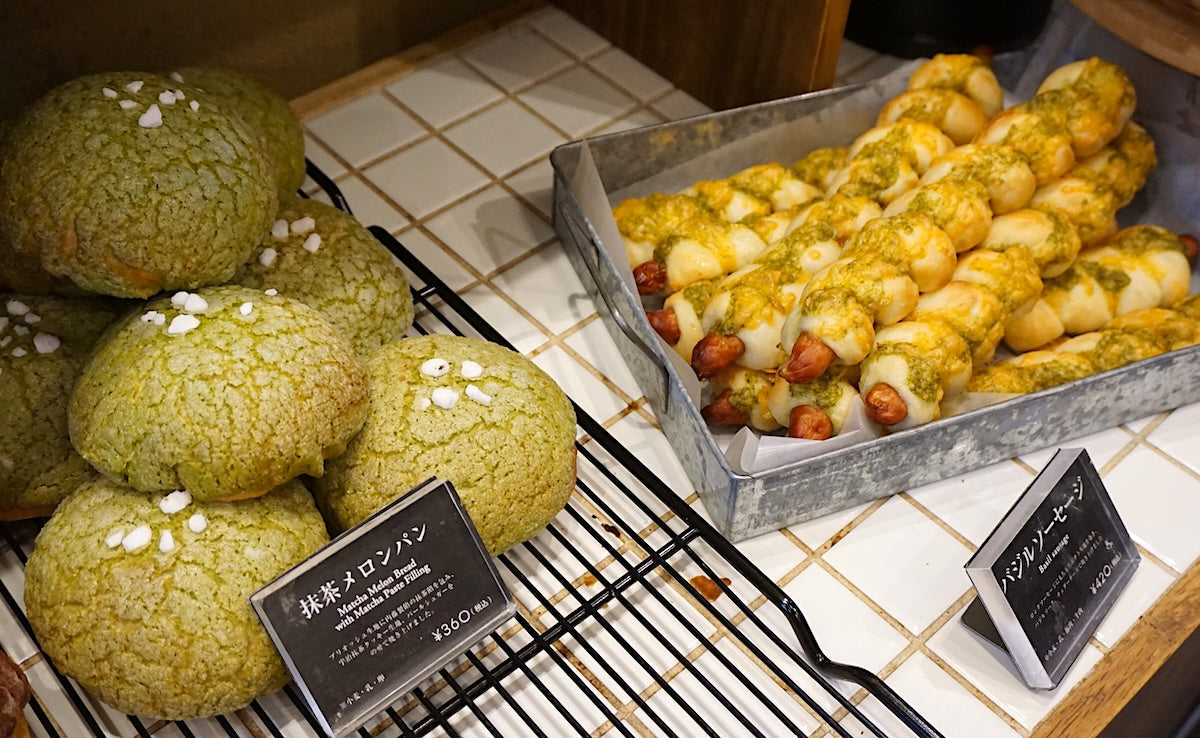
You can also have bakery items in the café - and this is the kind of bakery display that can derail even the most disciplined traveler. You may walk in for toast and coffee and end up adding an array of pastries. You have been warned.
Bakery & Dining 603: Bagels and brunch
Opening hours: 8:00-16:00 (closed periodically; check official Instagram account for latest updates)
A cozy little cafe hidden behind ivy on a narrow lane near Kiyomizu-Gojo Station, Bakery & Dining 603 feels like an unexpected find even when you know where it is.

Inside, surrounded by white plaster walls and warm wood, you may find the word ‘hygge’ trying to escape your lips even if you have no idea how it's pronounced.
The entire place feels wholesome, whether it’s the insistence on whole grains and homemade offerings, the interior decor or the music, which sounds like quieter moments in a Ghibli film soundtrack.
If you're hungry, order the brunch plate, which comes with freshly baked bread - you can add a cup of homemade soup for an even more filling meal.
Other eat-in options include bagels with cream cheese or red bean paste and butter.

The choice of bagels is staggering, ranging from traditional - try the apple and cinnamon - to Japanese-influenced flavors such as walnut and miso.
Gluten-free and vegan bagels are available, making this place a rare find. But go early - the popular flavors can sell out fast.
Kyoto Station Breakfast Options
You can't go far in Kyoto Station without hitting a place that sells coffee and carbs - good news for people who have to catch an early train or who woke up in Osaka by accident.
Kyoto’s historic kissaten and bakeries are well-represented at the station. Most open at 7:30 or 8:00, making them handy for early morning departures and arrivals.
Ogawa Coffee has two branches in the Kyoto Station orbit: one in a hotel opposite the central exit and another inside the station complex, near the subway fare gates.
Inoda Coffee also has two Kyoto Station branches. One can be found in the Porta underground mall area and the other by the Hachijo exit - handy when you need to grab a bite then make tracks for the bullet train.
The Shinshindo branch at Kyoto Station offers only takeaway options but is conveniently located for those hopping on the Limited Express Haruka to Kansai International Airport. It also works well for travelers transferring to city buses as the bakery is just beside the bus terminal.
If you’re taking a bullet train, Sizuya - located on the Hachijo exit side of the station - is the closer bakery. Adding to its convenience, the Kyoto Station shop opens early and closes late, from 7:00-21:00.
If you have some leeway in your schedule and you want breakfast with character - or vegan-friendly insurance - walk about five minutes out to Coyote The Ordinary Shop.
Because, sometimes, the smartest Kyoto Station breakfast strategy is: leave the station and have a breakfast that fuels you with more than caffeine for the next thousand steps of your journey.
More than a Morning Meal

In Kyoto, breakfast can turn into an identity crisis because the city offers so many different ways to start the day. You may find yourself asking deep questions like:
Am I a rice-and-miso-soup person?
Am I a toast-and-coffee person?
Am I secretly a 'cake at 8:30' person?
Perhaps the best answer may be yes - to all of those questions. If your stay in Kyoto lasts for more than a few days, try beginning each morning in a different way.
And if the weather's fine, choose from a variety of sandwiches at one of Kyoto's many bakeries and enjoy it - perhaps with an orange juice - on the banks of the Kamo river as you watch the city wake to the new day.
Opening hours and other shop details may change. Check official websites and social media for the latest information.
Photos and text by Janice Tay